Beginner Tennis Lessons: How to Start Playing with Confidence

Dreaming of serving aces and rallying like a pro? Tennis is a fantastic sport that not only improves fitness, coordination, and mental agility but also offers a fun way to stay active, a social hobby, or even the start of a competitive journey. While hitting a ball might seem simple, tennis is a nuanced sport. For most champions, the journey begins with quality tennis lessons for beginners. This guide is designed to help newcomers understand the basics, master essential skills, and avoid common pitfalls, making your entry into the exciting world of tennis smooth and enjoyable.
Why Beginner Tennis Lessons Are Your Ace in the Hole
Learning tennis from a professional ensures you develop proper form, avoid injuries, and progress faster. Structured beginner tennis lessons offer invaluable advantages:
Build a Strong Foundation and Proper Technique: Coaches teach correct techniques from day one, including how to hold the racket, execute powerful strokes, and proper grips, swings, and footwork. This prevents bad habits that are incredibly difficult to unlearn later.
Accelerate Your Learning and Faster Improvement: A certified coach provides personalized feedback and drills tailored to your progress, helping you improve much faster than self-teaching. Structured lessons help you learn efficiently.
Prevent Injuries: Proper form isn’t just about performance; it’s about safety. Lessons teach biomechanically sound movements, reducing the risk of common tennis-related injuries.
Understand the Game’s Nuances and Match Readiness: Beyond hitting, lessons cover scoring, court positioning, strategy, and tennis etiquette, giving you a complete understanding of how to play a match. Lessons often include drills and practice matches to get you ready.
Boost Confidence & Enjoyment: Learning in a supportive environment, often with other beginners, can make the process more fun and keep you motivated as you see your skills grow. Starting with lessons helps you build confidence and stay motivated.
What to Expect in Your First Swings
Your initial tennis lessons will focus on building a solid groundwork. Here’s a sneak peek at what you’ll likely cover:
1. Getting Acquainted with the Essentials
- Racquet Grips: You’ll be introduced to fundamental grips such as the Eastern Grip, which is great for forehands, and the Continental Grip, crucial for serves, volleys, and slices. Many beginners also learn a two-handed backhand for added stability and control.
- Court Layout & Lines: Understanding the service boxes, baselines, sidelines, and the net is vital for knowing where the ball needs to land.
- Basic Scoring: Tennis scoring can seem unique at first (love, 15, 30, 40, deuce, advantage, game, set, match), but your coach will break it down into easy-to-understand steps.
2. Mastering Core Tennis Strokes
- The Forehand: Often the first stroke you’ll learn, focusing on a fluid low-to-high swing, making contact out in front of your body, and a full follow-through. You’ll learn to keep your wrist firm.
- The Backhand: Many beginners start with a two-handed backhand for added stability and control. Focus will be on body rotation and a controlled swing path.
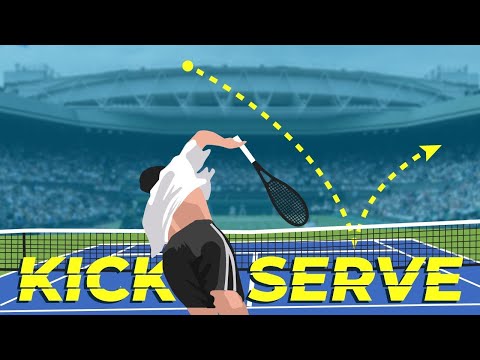
- The Serve: This is the only shot where you dictate the start of the point. You’ll begin with basic mechanics, emphasizing a consistent ball toss (aim for a high, slightly forward toss) and clean contact. Consistency will be your initial goal, not power. You’ll also learn to use the Continental Grip for serves to help generate power and spin, and to follow through smoothly for better accuracy.
- The Volley: This involves hitting the ball before it bounces, typically when you’re close to the net. It requires quick reflexes and a compact, punching motion. You’ll practice a short backswing and staying on your toes to improve agility at the net.
3. Essential Footwork and Movement
Tennis is a dynamic sport that demands constant movement. Your lessons will emphasize:
- Ready Position: The athletic stance you should adopt between every shot, with knees bent, weight on the balls of your feet, and racket ready.
- The Split Step: A small, quick hop you take just before your opponent hits the ball, allowing you to react and move efficiently in any direction.
- Efficient Court Coverage: Learning how to move effectively to reach the ball and recover to the optimal court position for the next shot. This includes practicing side shuffling, where you move laterally without crossing your feet, and quick recovery steps to return to the center after each shot.
Key Skills to Cultivate
Beyond the initial introductions, your lessons will help you continuously refine these essential skills:
- Consistent Ball Toss: For serving, practice tossing the ball high and slightly forward every time.
- Short Backswing for Volleys: Keep volleys compact for quick reactions at the net.
- Stay on Your Toes: Crucial for agility, especially near the net.
- Target Practice: Aim for specific court areas during drills to boost your accuracy.
Top Tips for Aspiring Tennis Players
To maximize your learning and enjoyment in your beginner tennis lessons:
- Focus on Consistency First: Don’t try to hit winners from day one. Your primary goal should be to get the ball over the net and within the lines consistently. Power will develop as your technique refines.
- Watch the Ball Like a Hawk: Keep your eyes glued to the ball from the moment it leaves your opponent’s racket until it makes contact with your strings. This is a game-changer for timing and accuracy.
- Stay Relaxed: A tense body leads to stiff strokes and less power. Keep your grip firm but not tight, and allow your body to move fluidly.
- Practice Your Footwork (On and Off-Court): Tennis is a lot about moving your feet. Incorporate agility drills into your routine to improve your speed and balance on the court. You can also practice drills like wall rallying or shadow swinging to refine control and technique.
- Embrace Feedback & Ask Questions: Your coach is your best resource. Listen attentively to their advice, ask questions, and don’t be afraid to clarify anything you don’t understand.
- Don’t Fear Mistakes: Everyone makes errors, especially when learning. View them as opportunities to learn and improve, not as failures.
- Set Small, Achievable Goals: Instead of aiming for perfection, focus on mastering one small aspect at a time, like consistently hitting 5 forehands in a row or improving your ball toss.
- Be Consistent & Practice Regularly: Tennis is a muscle memory sport. Weekly lessons plus a little practice in between goes a long way. Even 30 minutes daily helps.
- Track Your Progress: Whether it’s a new shot you’ve mastered or just fewer missed hits, keep tabs on how far you’ve come.
- Watch Matches: Observe professionals to learn strategies.
Have Fun!: Enjoy the learning process.
Common Mistakes to Sidestep
Being aware of these common pitfalls can help you progress faster:
- Using the Wrong Grip: A common error is using a “frying pan” or “hammer” grip for all shots. Learning specific grips for forehands, backhands, and serves is crucial for versatility and control.
- Standing Still: Tennis requires constant movement. Avoid planting your feet; instead, stay light on your toes and move to get into the best position for every shot.
- Trying to Hit Too Hard: Beginners often prioritize power over control, leading to many unforced errors. Focus on technique and consistency first; power will follow.
- Looking Up Too Soon: Many new players lift their head to watch the ball’s trajectory before making contact. Keep your eyes on the ball until it leaves your racket.
- Stiff Arm on Serve: Pushing the ball with a stiff arm results in weak serves. Learn to use your body, including leg drive and shoulder rotation, for a more fluid and powerful serve.
- Playing in “No Man’s Land”: This is the area between the baseline and the service line. Staying here makes you vulnerable. For groundstrokes, generally stay behind the baseline; for volleys, commit to the net.
Gearing Up for Success
While you don’t need top-of-the-line equipment initially, proper gear can make a significant difference in comfort, performance, and injury prevention.
- Rackets: Many programs provide loaners to start. When you buy, look for a lightweight racquet (around 250-300g) with a larger head (98-110 sq. in.) as these are ideal for beginners.
- Shoes: Court-appropriate tennis shoes are crucial and different from regular sneakers. They are designed for lateral movement and prevent injuries.
- Balls: Pressureless balls last longer for practice. You might want a few for practicing between lessons.
- Clothing: Opt for athletic wear that’s breathable and allows for movement. Moisture-wicking fabrics keep you comfortable.
- Other Essentials: A water bottle and a small towel are always good to bring.
- Many beginners start with rented or borrowed equipment and upgrade later as their skills improve.
Choosing the Right Program
- There’s no shortage of programs out there, but finding one tailored specifically for beginners can make all the difference. Look for:
- Certified coaches with experience teaching beginners.
- Small class sizes for personalized attention.
- Positive reviews from other students.
- A coach or program that focuses on teaching clear fundamentals in a low-pressure, supportive environment.
- Programs that offer flexible scheduling and personalized coaching that adjusts to your pace.
How Long Until You’re Rallying?
This depends on your goals and how often you practice. Most beginners start seeing noticeable improvement after just a few weeks of lessons. Within a couple of months, you should be able to rally with a partner and play a casual match with basic scoring. If you stick with it, tennis becomes a lifelong activity that’s as fun in your 60s as it is in your 20s.
Ready to Hit the Court?
Starting tennis doesn’t have to be overwhelming. Embarking on your tennis journey with dedicated tennis lessons for beginners is the most effective and rewarding way to learn. With the right guidance, consistent practice, and a positive attitude, you’ll be enjoying rallies and improving your game in no time. By mastering the basics, practicing drills, and using proper gear, you’ll build a strong foundation. Get ready to experience the thrill of tennis!

As someone who enjoys both playing tennis and writing, I strive to embody a combination of skillful technique and unwavering perseverance on the court while simultaneously offering valuable observations and reflections to my audience through my articles. My overarching objective is to motivate and encourage others on their individual paths towards tennis success.